
Practice that fits ten spare minutes
Short, self-contained sessions you can finish on the train or in a lunch break. Practice you can actually keep up beats practice you have to schedule.
Our story
Auslearn started with something we kept hearing from learners across Australia. Not that Auslan was too hard to learn, but that it was too hard to keep up with between classes.
 10,000+downloads
 30,000+lessons completed
Auslan courses around the country do a genuinely good job. People walk out of a class having understood something real, with new signs they are excited to use.
Then the week happens. There is no one at home to sign with, no way to check whether a sign is being made correctly, and nothing to review that captures a language built on movement. A word list cannot do it. Neither can a photo of a handshape.
So the next class opens by recovering ground already covered. And when a course finishes for good, the drop-off is steeper still: no class to return to, no practice partner, and a set of signs that slowly slips away.
A typical fortnight
New signs, a room full of people, and an hour where everything makes sense.
No one to sign with. Auslan moves, and a still photo of a handshape cannot show you how.
The first twenty minutes go on recovering what was already learned a fortnight ago.
No class to return to, no practice partner, and the signs quietly fade.
“I can't keep it up” is a completely different problem from “I can't learn this.”
Once we saw it that way, the thing worth building became obvious. The missing piece was never the teaching. It was somewhere to practise on a Wednesday night, months after the course finished, with no one else in the room.
That is the whole reason Auslearn exists: to sit in your pocket and keep the signs alive in the gaps.
Every decision in the app comes back to one question: does this help someone practise on a day when there is no class?
Short, self-contained sessions you can finish on the train or in a lunch break. Practice you can actually keep up beats practice you have to schedule.

Every sign is demonstrated on video by Deaf signers. Movement, position, and rhythm are part of the language, so a chart of static handshapes was never going to be enough.
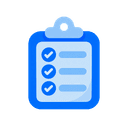
Quick interactive questions turn recognising a sign into recalling it, and bring back the ones you have not seen in a while.

A structured path, a record of what you have covered, and a streak worth protecting, so a new habit has something to hold onto.
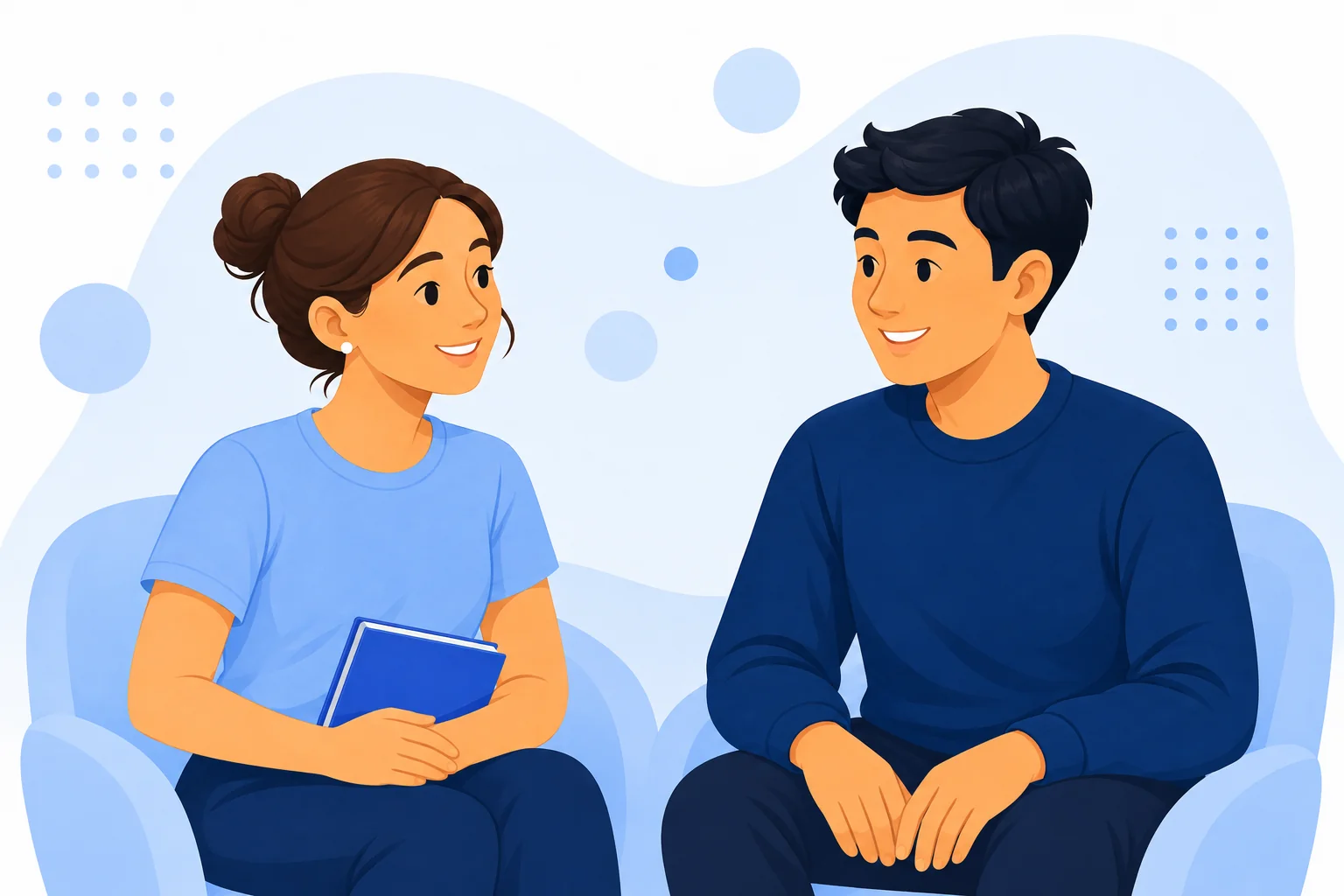
Auslan is a full language with its own grammar and history, distinct from American and British Sign Language, and it belongs to the Australian Deaf community. No app is a substitute for learning from Deaf teachers and signing with real people.
We are careful about this. Auslearn is built to hold your practice together between the classes, conversations, and community time that do the real teaching, and to make starting less intimidating for people who have not found a class yet.
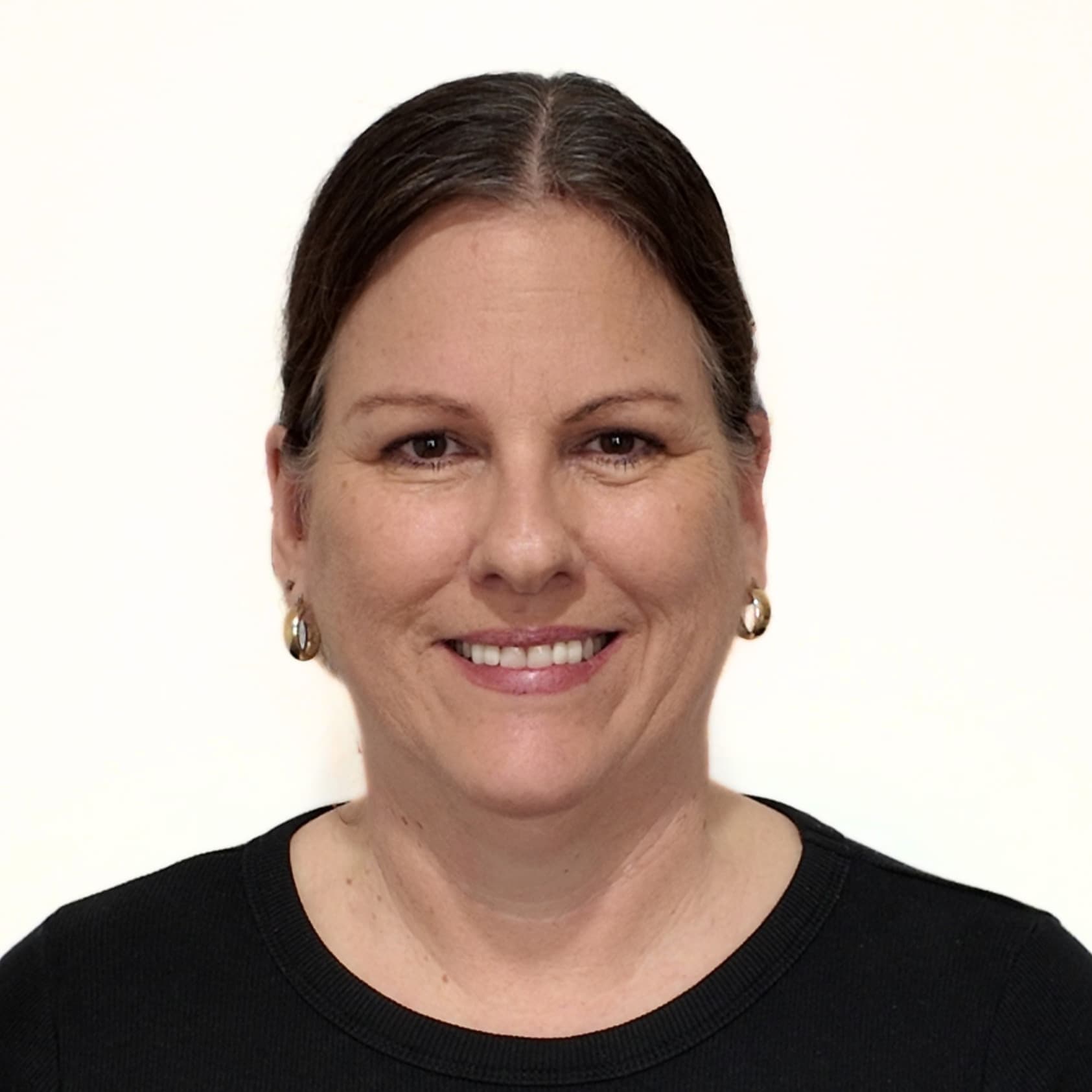
Community and Cultural Advisor
Rachel is Deaf and guides Auslearn's approach to community and culture, drawing on lived experience to keep respect for Auslan and the Deaf community at the heart of the app.
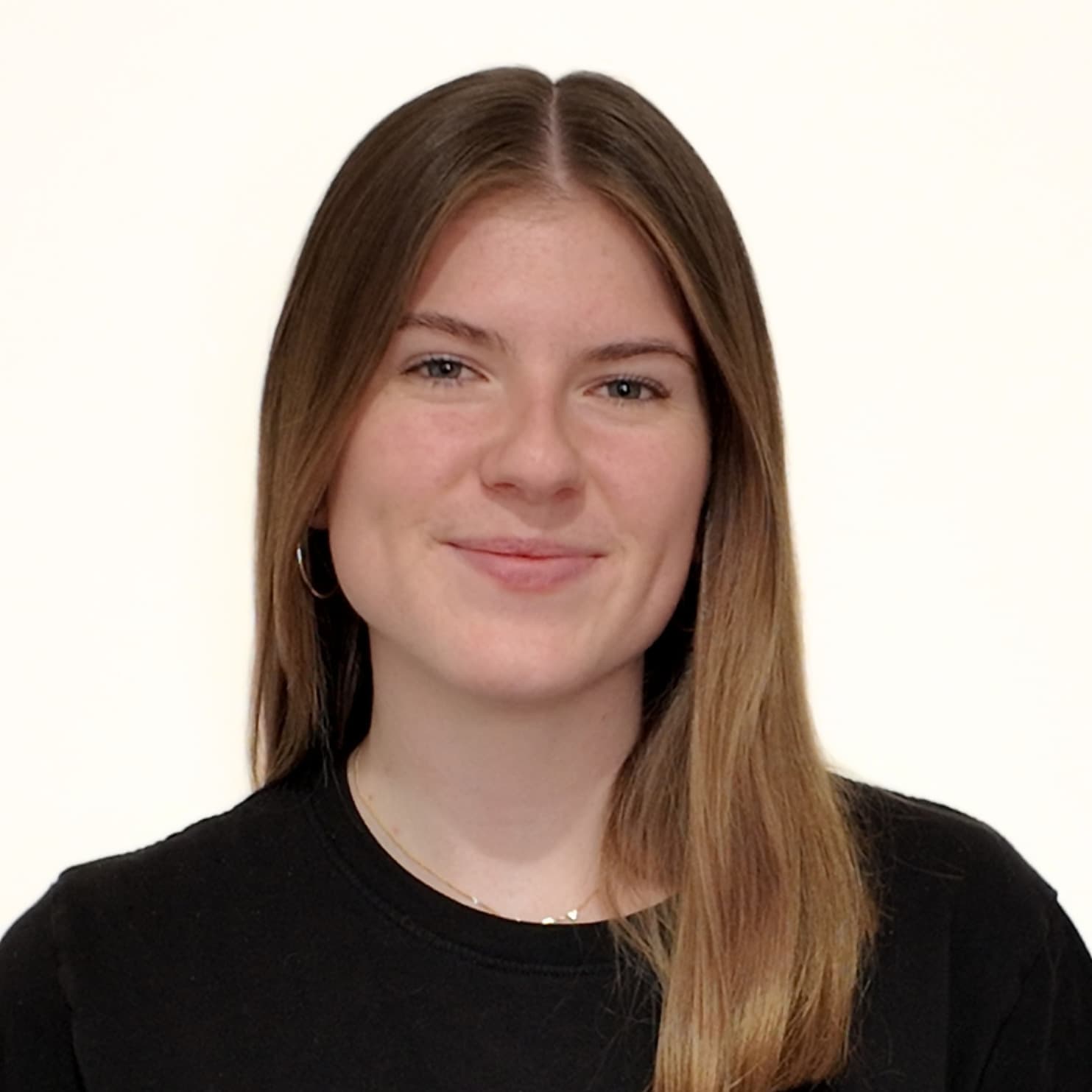
Operations Manager
Amy is a CODA (Child of Deaf Adults) and looks after the day-to-day operations that keep Auslearn moving, coordinating the work behind the scenes so the team can focus on supporting learners.
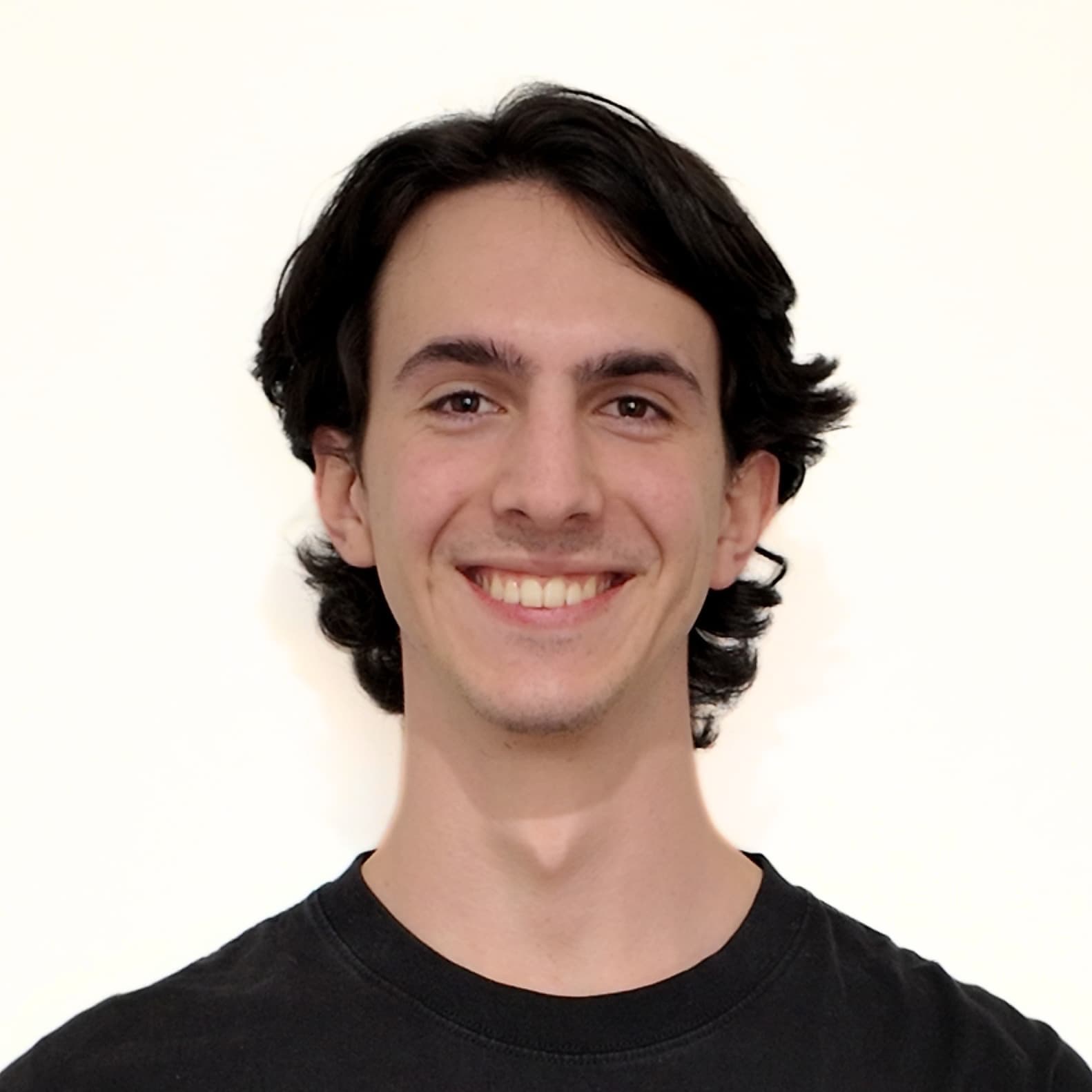
Product Engineer
Declan builds and improves the Auslearn app, turning ideas into practical features that make it easier to fit Auslan practice into everyday life.
Free to start, beginner-friendly, and ready whenever you have ten minutes spare.